
Disclosure: Some links on this page are affiliate links. We may earn a commission if you make a purchase through them, at no additional cost to you.
macOS has strong built-in security, but real-world compromises still happen—usually through phishing, trojanized installers, malicious browser extensions, and adware/PUAs (potentially unwanted apps) that users accidentally approve. A good Mac antivirus mainly helps at the web and download layer: it blocks risky sites earlier, flags shady installers faster, and removes persistence/adware more cleanly.
Below are 7 solid options, followed by a practical buying guide: macOS performance impact, real-time protection, web/phishing defense, cleanup quality, privacy extras, and value. If you want a low-friction pick with strong web protection, Bitdefender is a common starting point. If you prefer a Mac-focused suite with firewall tooling, Intego is the specialist option.
Quick Compare — Best Antivirus for Mac
Core criteria: real-time protection • phishing/web defense • cleanup quality • macOS performance impact • useful extras (firewall, identity tools, VPN) • value and device coverage.
| Antivirus | Best for | Standout features | Notes |
|---|---|---|---|
| Bitdefender | Most users (best overall balance) | Strong web protection Lightweight macOS app Solid cleanup | Best “set-and-forget” option for typical Mac users. |
| Intego | Mac-only households | Mac-focused suite Two-way firewall Network controls | Good choice if you specifically want a Mac specialist and firewall tooling. |
| Norton | All-in-one security bundle | Broad suite Privacy tools Plan features vary | Strong overall protection; value depends on which extras you actually use. |
| AVG | Budget users / free starter | Free tier Simple to use Fewer advanced tools | Good baseline if you want basic coverage without paying. |
| McAfee | Families / many devices | Multi-device bundles Identity tools Can feel suite-heavy | Best value when you protect multiple devices under one subscription. |
| Avast One | Feature-rich free-to-paid path | Strong free option Privacy tools VPN not always top-tier | Good if you want more than AV without paying immediately. |
| Clario | Simpler, privacy-leaning suite | Mac-friendly UX Web/privacy focus Platform limits | Clean experience; verify feature depth matches your needs. |
Do you really need antivirus on a Mac?
macOS is hardened — but the “human layer” is where attacks land
Most Mac incidents today aren’t old-school file viruses. They’re phishing, fake updates, cracked-app installers, adware/PUAs, and browser add-ons that hijack search, inject ads, or steal sessions. Antivirus helps most by blocking malicious domains, scanning downloads, and catching suspicious persistence (launch agents, login items) before it becomes a recurring problem.
Who benefits the most from Mac antivirus?
- Download-heavy users (mods, “free” installers, torrents, cracked apps).
- Remote workers with business email, admin panels, client logins, or shared credentials.
- Families sharing devices (one click can affect everyone).
- Privacy-focused users who want anti-tracking, phishing defense, and identity alerts.
- Older Macs where adware/PUAs can cause noticeable slowdown.
If you only install from the App Store and stick to known vendors, you may not strictly “need” antivirus. But a lightweight product with strong web blocking can still be a useful safety net.
Top 7 Antivirus for Mac — In-Depth (Pros & Cons)
Focus: practical protection, macOS performance impact, web safety, cleanup effectiveness, and how intrusive the app feels in daily use.
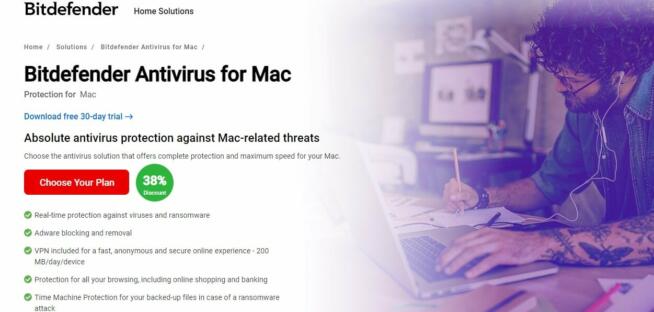
1) Bitdefender Antivirus for Mac — Best Overall for Most Users
Bitdefender is a strong default because it covers the two places Mac users most often get burned: web threats (phishing, malicious redirects) and shady downloads. It’s also generally easy to live with—enable it, keep it updated, and it does its job without constant prompts.
If your goal is to reduce the odds of credential theft and “oops, I installed the wrong thing,” Bitdefender’s web-layer protection is the most practical value-add.
- Strong real-time protection and effective malicious site blocking
- Usually lightweight during everyday use
- Good balance of protection + usability for typical Mac owners
- Extra privacy/security tools available (varies by plan)
- Some add-ons may be irrelevant if you already use dedicated tools
- Some users prefer more granular controls
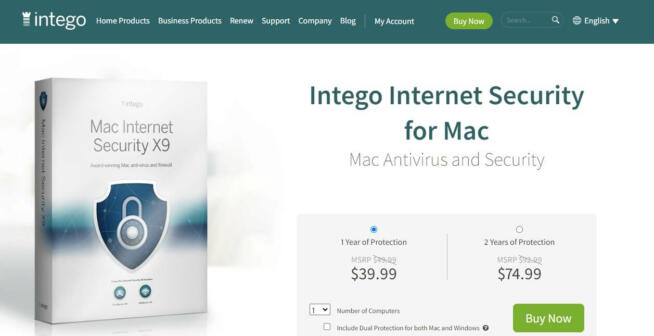
2) Intego Mac Internet Security X9 — Mac Specialist + Firewall Option
Intego is one of the more Mac-focused security suites. That matters if you prefer Mac-native workflows and want tools that feel “built for macOS” rather than a cross-platform UI port.
The big differentiator is the two-way firewall component. macOS has built-in firewall/network controls, but suite tooling can make outbound rules and network visibility simpler—especially if you move between home Wi-Fi, office networks, hotels, and public hotspots.
- Designed specifically for macOS users and workflows
- Firewall/network tools are useful for mobile laptops
- Good choice if you want a Mac specialist
- Not ideal if you need one plan across Windows/Android too
- Value depends on tier and whether you’ll use firewall tooling
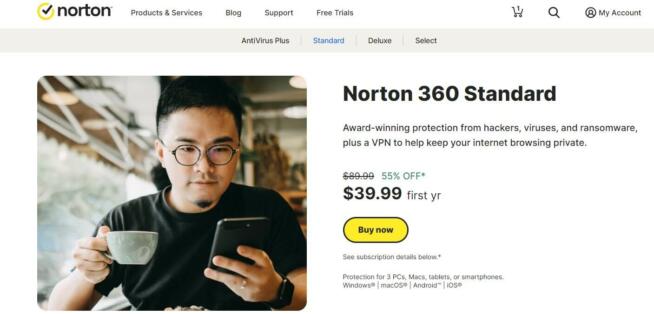
3) Norton 360 Standard — Strong Suite if You’ll Use the Extras
Norton is typically sold as a broader security bundle (not just antivirus). The upside is convenience: one subscription can cover malware defense plus privacy/identity tools, depending on plan.
The only “gotcha” is fit: if you want a minimalist antivirus, you may pay for features you ignore. If you actually want a bundle across multiple devices, it can be good value.
- Strong overall protection with a long-established vendor
- Extras can be useful if you want an all-in-one subscription
- Often good value when protecting multiple devices
- Some extras may be redundant if you already have dedicated tools
- Can feel “suite-heavy” if you only want AV basics

4) AVG Antivirus for Mac — Best Budget Pick (Including Free Tier)
AVG is attractive if you want baseline protection now and want to decide later whether you need a paid suite. For low-risk users, the free tier can be “good enough” for basic scanning and real-time monitoring.
The typical reason to upgrade is web-layer risk: phishing pages, malicious redirects, and sketchy download funnels. If your browsing habits include a lot of “find-a-tool-fast” searches, upgrades often pay off.
- Free tier available for basic coverage
- Generally easy to install and use
- Good starting point for low-risk Mac users
- Advanced protections can be limited vs premium competitors
- May require upgrading for stronger web/privacy tooling
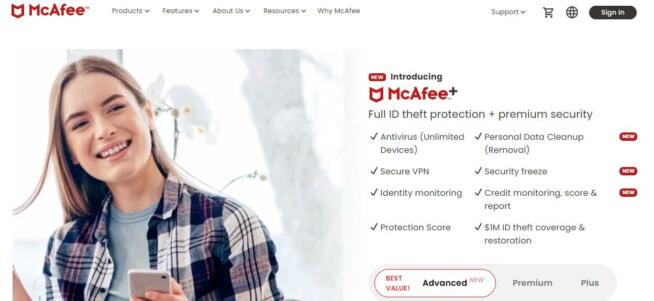
5) McAfee Total Protection — Best for Families and Multi-Device Coverage
McAfee makes the most sense when you’re protecting multiple devices under one subscription. If you want one billing point and one dashboard for a household, it can be convenient.
On a single Mac, the main consideration is “suite weight.” If you like the add-ons (identity tools, VPN, monitoring), great. If you want a minimalist AV, a lighter product may feel better.
- Good value when covering many devices under one subscription
- Convenient all-in-one approach for households
- Add-ons can be useful if you’ll actually use them
- Can feel heavier than minimalist antivirus products
- Full scans can be more noticeable on older Macs
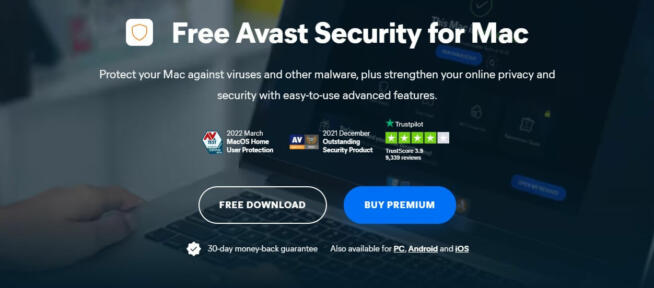
6) Avast One for Mac — Feature-Rich, Great Free-to-Paid Path
Avast is strong if you want a capable free start and an easy upgrade path. You typically get solid baseline protection, then additional privacy/security tools in paid tiers.
If the suite includes a VPN in your region/tier, treat it as a convenience feature. For heavy VPN use (streaming, advanced privacy needs, consistent performance), a dedicated premium VPN is usually the safer bet.
- Strong free-tier value for many casual users
- Broader security/privacy feature set than basic antivirus
- Good choice if you want “one app” for multiple protections
- Extras can be unnecessary if you only want antivirus
- VPN and add-ons vary by plan and region
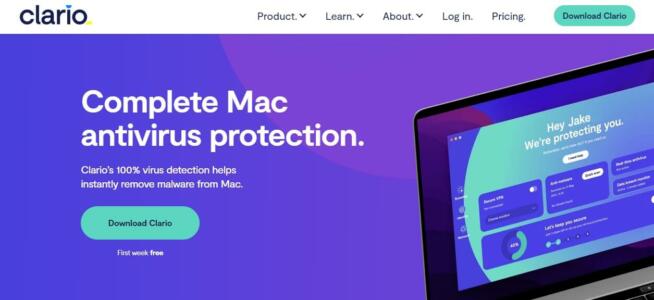
7) Clario Antivirus for Mac — Clean UX + Privacy-Oriented Tools
Clario is aimed at users who want a clean interface and a privacy-leaning experience. It’s often a comfortable fit if your main concerns are risky browsing, tracking, and unwanted software—without a complicated enterprise-style control panel.
As with smaller suites, confirm the exact features you need (and device coverage) match your setup before buying.
- Mac-friendly interface and onboarding
- Good fit for users who prioritize web/privacy protections
- Less intimidating than many full suites
- May be less feature-dense than larger suite vendors
- Cross-platform coverage can be limited depending on plan
How to choose the right Mac antivirus
1) Prioritize web protection (phishing beats “viruses”)
The fastest way to lose an account is phishing—not a “classic virus.” One convincing login page can compromise email, Apple ID, banking, ad accounts, and password vaults. Prioritize strong malicious-site blocking and anti-phishing that works without constant popups.
- Look for strong URL blocking + download scanning
- Use a password manager and enable 2FA everywhere
- Ignore “update required” popups outside trusted sources
2) Watch performance impact on older Macs
Most AV apps are quiet in day-to-day use, but full scans can hit older hardware—especially large drives and lots of small files. If you notice slowdown:
- schedule full scans overnight
- keep real-time protection enabled during the day
- avoid stacking multiple “cleanup/optimizer” tools
Good antivirus should protect you without making the Mac annoying to use.
3) Don’t overpay for extras you won’t use
Suites may include VPNs, identity tools, dark web monitoring, or parental controls. Useful—if you use them. If you already pay for a VPN or identity service, prioritize the best antivirus core and web protection instead of the biggest bundle.
4) Build a basic Mac security checklist
- Turn on automatic macOS updates
- Use a password manager + unique passwords
- Enable 2FA for Apple ID and email
- Review browser extensions quarterly
- Keep backups (Time Machine + one offline/cloud copy)
- Only install apps from trusted vendors; avoid cracked installers
This checklist + a reputable antivirus covers most real-world Mac risk.
Best Antivirus for Mac — Frequently Asked Questions
Do Macs get viruses and malware?
What is a good free antivirus for Mac?
Will antivirus slow down my Mac?
Is Apple’s built-in security enough?
Which Mac antivirus is best overall?
Do I need a VPN if I have antivirus?