Quick answer: The Best Web Scraping Tool in 2024 is Smartproxy!
Searching the internet for useful bits of information on your own can be time-consuming, and above all, very ineffective. When talking about extracting either small or large quantities of information from the internet, you’ll most likely hear about the term “web scraping.”
Web scraping is exactly that. It’s a process of extracting information from the internet or websites, which is often used for individuals, companies, or sites that need to collect information. In many cases, web scraping or harvesting, as it’s often called, is illegal.
However, that’s not often the case if you have a company or site that is allowed to perform it. Through web scraping, you can improve your marketing, conduct deeper research, and improve your business, for which you’ll need to use web scraping tools.
On the market, you can find dozens of them, but saying that all of them are great would be a lie. Thus, we did all the heavy lifting for you and came up with a decent selection of the best web scraping tools to make your life a tad easier.
Having in mind the complex infrastructure behind web scraping tools, the choices that we’re going to give you aren’t free. But to make sure you can test them and not spend a fortune on them, we selected affordable choices, some of which even offer a free trial.
We will analyze each scrapping tool, talk about its pros and cons, and highlight their prices, allowing you to choose without too much hassle. Now, let’s talk about the best web scraping tools in 2024:
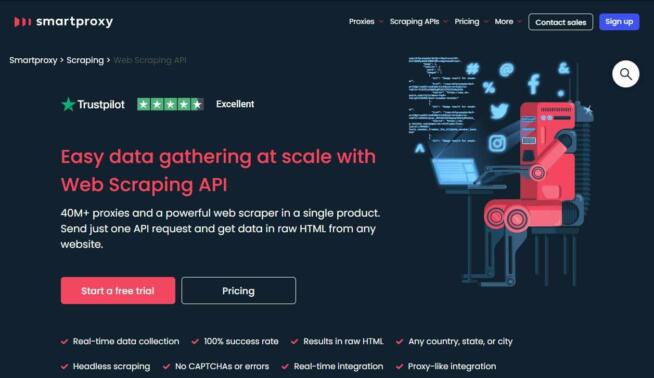
Smartproxy is considered a good web scraping tool for various reasons, particularly for users who require reliable and efficient data collection capabilities. Here are some key advantages of Smartproxy:
Vast Proxy Pool: Smartproxy offers access to a vast pool of over 40 million proxies. This extensive proxy network allows users to route their web scraping requests through various IP addresses, enhancing anonymity and preventing IP blocking.
Web Scraping Integration: Smartproxy provides a web scraping tool that seamlessly integrates with its proxy service. This integration ensures that users can scrape websites efficiently and without interruptions by using the provided proxies.
Free Trial: Smartproxy offers a free trial, allowing users to test the service and its capabilities before committing to a paid plan. This trial period enables users to assess the tool’s suitability for their specific web scraping needs.
Real-Time Data Collection: The tool supports real-time data collection, ensuring that users can retrieve the most up-to-date information from websites. This is crucial for applications that require constantly refreshed data.
Universal Website Compatibility: Smartproxy allows scraping on virtually any website. Users can send API requests to the tool, which remembers the requested site and continues to distribute its information until instructed otherwise.
Raw HTML Export: Extracted data is provided in raw HTML format, making it easily accessible and ready for further analysis or processing.
Captcha Automation: Smartproxy includes Captcha automation features that work effectively, preventing potential interruptions or errors caused by Captcha challenges on target websites.
Proxy Integration: The tool offers seamless proxy integration, ensuring that proxy-related configurations are straightforward and do not require extensive technical expertise.
High Success Rate: Smartproxy boasts a high success rate, with a claimed rate of 100%. Even if the actual success rate is slightly lower (e.g., 99%), it still demonstrates the reliability of the service.
Affordable Pricing: Smartproxy offers a range of pricing plans to accommodate different needs and budgets. The Lite plan, starting at $50 a month, provides a cost-effective entry point for users with moderate requirements.
Enterprise Options: Users with larger or custom needs can build enterprise plans with variable pricing, ensuring that the service can scale to meet specific demands.
However, there are a couple of considerations to keep in mind:
VAT Costs: Value-added taxes (VAT) can be relatively high in some countries, potentially increasing the overall cost of the service for users in those regions.
Trial Duration: While Smartproxy offers a free trial, some users may prefer an extended trial period, such as seven days, to thoroughly evaluate the tool’s suitability for their projects.
In summary, Smartproxy is a reliable and versatile web scraping tool that offers seamless integration with its extensive proxy network. Its real-time data collection, Captcha automation, and high success rate make it a valuable choice for users engaged in data extraction projects. The availability of a free trial and flexible pricing plans cater to various budgets and requirements, further enhancing its appeal for web scraping tasks.
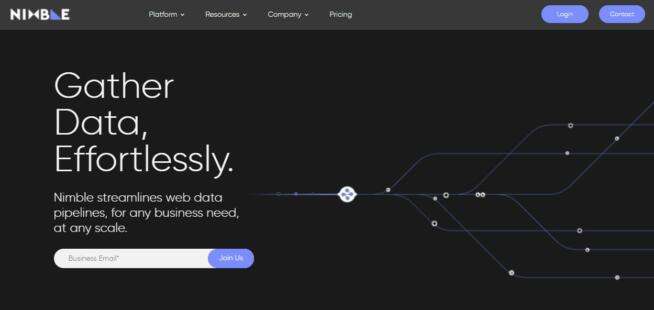
Nimbleway is considered a good web scraping tool for various reasons, offering a cost-effective solution for data extraction from the internet. Here are some key advantages of Nimbleway:
Cost-Effective Solution: Nimbleway provides a cost-effective option for web scraping, making it accessible to users with varying budgets. The subscription plans offer a range of features at different price points, catering to different needs.
Web-Based Interface: Nimbleway offers a user-friendly, web-based interface that simplifies the process of setting up and configuring web scraping tasks. The Playground option allows users to define scraping parameters and gather information from websites effectively.
Multi-Language Support: Nimbleway supports web scraping in multiple languages, enhancing its versatility for users who require data from websites in various linguistic contexts.
Real-Time Data Delivery: The tool supports real-time data delivery and customization through its API implementation. This feature ensures that users can access up-to-date information as needed for their projects.
Unlimited Data Access: Nimbleway offers unlimited data access, providing users with ample flexibility to gather the information they require without constraints.
Nimble Browser with Fingerprinting: The Nimble Browser, featuring Fingerprinting technology, allows users to browse the internet securely and gather data efficiently. Fingerprinting enhances online privacy and security while supporting data collection.
Subscription Plans: Nimbleway offers a range of subscription plans, including the Essential plan, which provides worldwide coverage, full API functionality, and 10 pipelines. The Professional plan, in particular, offers excellent value with up to 80 pipelines, real-time alerts, and unlimited concurrent requests for web, SERP, or E-Commerce data scraping.
Easy-to-Use Interface: The tool’s web-based application is designed to be user-friendly, making it accessible to users of varying technical backgrounds.
However, there are some considerations to keep in mind:
Enterprise Plan Cost: The Enterprise plan, while offering extensive capabilities, is relatively expensive at $3,400 per month. This pricing tier may be suitable for large enterprises with specific high-volume scraping needs but may not be cost-effective for smaller businesses or individual users.
Customer Service: Nimbleway could benefit from improved customer service, as responsive and helpful support can be crucial when users encounter issues or require assistance with the tool.
In summary, Nimbleway is a cost-effective web scraping tool that offers a range of features and subscription plans to suit different users’ needs and budgets. Its web-based interface, multi-language support, real-time data delivery, and unlimited data access make it a valuable choice for data extraction tasks. The availability of the Professional plan, in particular, offers an attractive balance of features and pricing for users seeking comprehensive web scraping capabilities. However, users should carefully evaluate their requirements and budget when considering the Enterprise plan due to its higher cost.
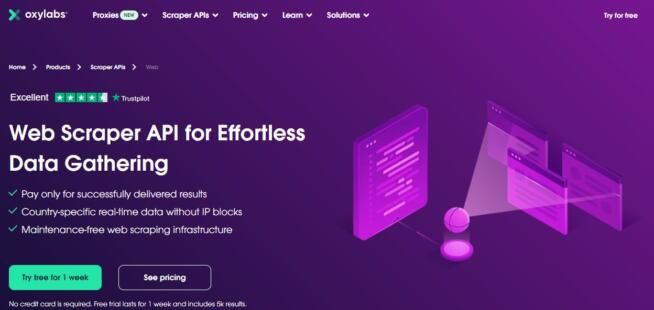
Oxylabs is considered a good web scraping tool, offering a range of features and capabilities that make it suitable for various web scraping needs. Here are some key advantages of Oxylabs:
Extensive Proxy Network: Oxylabs provides access to a large pool of more than 10 million proxies in over 180 countries. This extensive proxy network allows users to select proxies from specific regions or countries to suit their scraping requirements.
Scraping APIs: In addition to proxy services, Oxylabs offers numerous scraping APIs, making it a comprehensive solution for data extraction and automation.
Free Trial: Oxylabs offers a one-week trial that allows users to test the service for free. During the trial period, users can enjoy access to some of the tool’s features, helping them assess its suitability for their projects.
Pay-Per-Result Pricing: Oxylabs operates on a pay-per-result pricing model, meaning users pay only for successfully delivered results. This pricing approach ensures cost-efficiency, as users are not charged for unsuccessful scraping attempts.
Global Data Extraction: Oxylabs can extract data from 195 countries, providing users with access to a wide range of global data sources. The tool also supports geo-targeting, allowing users to specify the country from which they want to extract data.
Reduced CAPTCHA Requests and IP Blocks: Oxylabs employs measures to reduce the number of CAPTCHA requests and IP blocks encountered during web scraping. This enhances the scraping efficiency and minimizes disruptions.
Fast and Reliable: Users can expect fast and reliable scraping with Oxylabs. The tool is known for its speed, and depending on the volume of data requested, the scraping process typically takes only a few seconds. Additionally, Oxylabs boasts a nearly 100% success rate, indicating its reliability.
Auto-Retry System: Oxylabs includes an auto-retry system for handling failed scraping attempts. This feature automatically retries failed requests until the desired information is successfully obtained.
Affordable Pricing: Oxylabs offers a range of pricing plans to accommodate different needs and budgets. The plans start at $49 per month for the Micro plan, which provides 17,500 results and up to 10 requests per second.
Additional Features: All Oxylabs plans come with JavaScript rendering, 24/7 support, and the ability to target data at the country level, enhancing the overall scraping experience.
However, there are some considerations to keep in mind:
Advanced Plan Cost: The Advanced plan, while offering substantial capabilities, may be considered relatively expensive at $249 per month. Users should carefully assess their requirements and budget when considering this plan.
No Dedicated Account Manager: Oxylabs does not offer a dedicated account manager on either plan, which may be a drawback for users who prefer personalized support.
In summary, Oxylabs is a versatile web scraping tool that combines an extensive proxy network, global data extraction capabilities, and a pay-per-result pricing model to offer an efficient and cost-effective solution for web scraping needs. Its speed, reliability, and features such as reduced CAPTCHA requests make it an attractive choice for users seeking to gather data from a wide range of sources. However, users should evaluate their specific requirements and budget when selecting a pricing plan, particularly when considering the Advanced plan.
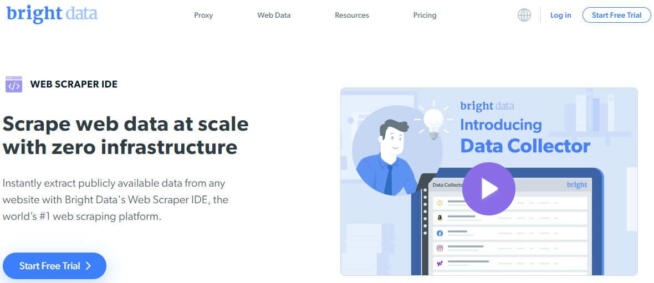
Bright Data, formerly known as Luminati, is considered a robust web scraping tool that offers a wide range of features and capabilities for data collection and extraction. Here are some key advantages of Bright Data:
Extensive Data Database: Bright Data hosts one of the largest databases of information, making it a valuable resource for users seeking access to a vast amount of data from various sources.
User-Friendly Interface: Bright Data’s interface is designed to be user-friendly and does not require coding knowledge to perform web scraping tasks. This accessibility allows users to easily set up and execute data collection without the need for extensive programming skills.
Automated Workflows: The platform supports automated workflows, enabling users to streamline the data collection process. This feature allows for the efficient extraction of specific data points relevant to their business needs.
Diverse Data Collection: Bright Data allows users to collect data from a wide range of sources and categories, including IP addresses, eCommerce, advertising, social media, and more. This versatility makes it suitable for various industries and use cases.
Support for Coding: While not mandatory, Bright Data also supports coding for users who prefer to customize their scraping tasks. It offers compatibility with programming languages such as Python, C#, PHP, Java, and others.
Advanced Parameters: Users can set advanced parameters for each search, enabling precise data extraction based on criteria such as location, compliance, and time range.
Third-Party Integrations: Bright Data offers integration with third-party extensions and tools, enhancing its functionality and compatibility with other data-related solutions.
Multiple Export Formats: Users can export scraping reports in various formats, including API, HTML, and CSV. This flexibility allows for easy sharing, printing, or further analysis of collected data.
Free Trial: Bright Data offers a 7-day free trial, giving users an opportunity to explore its features and capabilities before committing to a paid plan.
However, there are some considerations to keep in mind:
Pricing: The exact pricing for Bright Data is not available on the website, and users are required to contact the company directly to obtain pricing details. Pricing can vary significantly based on factors such as usage and requirements, potentially making it a less budget-friendly option for some users.
Complex Interface: Bright Data’s interface, while feature-rich, may appear complex and overwhelming for beginners or users without prior experience in web scraping. It may require a learning curve to fully leverage its capabilities.
In summary, Bright Data is a comprehensive web scraping tool that caters to both users with coding expertise and those without programming skills. Its extensive data database, automated workflows, diverse data collection capabilities, and support for advanced parameters make it a valuable choice for data extraction tasks across various domains. However, users should be prepared to invest time in learning the platform’s interface and should inquire about pricing to ensure it aligns with their budget and requirements.
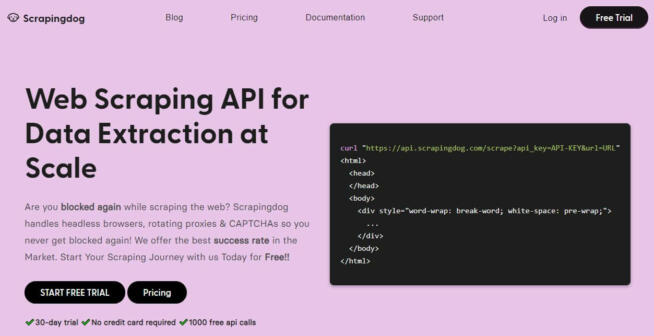
Scrapingdog is considered a good web scraping tool, offering a range of features and benefits that make it a practical choice for data extraction needs. Here are some key advantages of Scrapingdog:
User-Friendly Interface: Scrapingdog provides a simple and intuitive interface that is easy for users to navigate. This user-friendliness makes it accessible to both beginners and experienced web scrapers.
Efficient Data Extraction: Scrapingdog is known for its quick and efficient data extraction capabilities, ensuring that users do not have to wait extensively to obtain the information they need.
Impressive Success Rate: The tool boasts a high success rate, often reaching 99%, particularly when scraping popular social media and eCommerce websites. This reliability is crucial for users who require accurate and consistent data.
JavaScript Rendering Support: Scrapingdog supports JavaScript (JS) rendering in some subscription plans, allowing users to scrape data from websites that rely on client-side rendering. This feature enhances the tool’s compatibility with a wide range of websites.
Captcha Automation: The ability to automate Captcha solving can be useful for users to overcome obstacles and access data behind Captcha barriers.
Flexible Data Filtering: Scrapingdog offers flexibility in data filtering, allowing users to scrape information from product pages and subcategories, making it adaptable to various scraping scenarios.
Affordable Pricing: Scrapingdog’s pricing structure is relatively affordable, starting at just $20 per month for the basic plan. The Pro plan, priced at $200 per month, offers additional features such as the Growth Tracker and a substantial number of request credits.
Free Trial: Scrapingdog offers a 30-day free trial without requiring credit card information, giving users an opportunity to explore its capabilities and evaluate its suitability for their needs.
However, there are some considerations to keep in mind:
Limited Money-Back Guarantee: Scrapingdog provides only a 1-day money-back guarantee for its services. This short duration may not provide users with sufficient time to thoroughly test and assess the tool.
In summary, Scrapingdog is a practical web scraping tool with an intuitive interface, efficient data extraction, and impressive success rates, particularly for popular websites. Its support for JavaScript rendering and Captcha automation enhances its compatibility with various websites. The affordability of its pricing plans, including a free trial option, makes it accessible to users with different budgets. However, potential users should be aware of the limited 1-day money-back guarantee and evaluate whether it aligns with their testing and assessment needs.
Apify is recognized as a robust web scraping tool that offers a wide range of features and capabilities suitable for various web scraping needs. Here are some key advantages of Apify:
Versatile Scraping Features: Apify provides a comprehensive set of scraping features, including automation capabilities. Users can leverage these features to create custom APIs for their websites and gather data from various online sources.
Support for Multiple Websites: Apify is capable of scraping data from a variety of websites, including social media platforms like Facebook, Twitter, and Instagram. It also extends its capabilities to websites such as Google Maps and eCommerce sites like Amazon, making it versatile for different scraping requirements.
3rd Party Integrations: Apify offers support for third-party integrations, allowing users to connect with tools like Zapier and Airbyte. This integration capability enhances its functionality and provides users with flexibility in data handling and processing.
Customization with Coding: While not entirely reliant on coding, Apify supports programming languages like Python and PHP, enabling users to customize scraping workflows according to their specific needs. This flexibility is valuable for users with coding expertise.
IP Rotation and Captcha Solver: Apify includes advanced tools such as IP rotation and Captcha solving, which are essential for overcoming obstacles and ensuring smooth data extraction from websites with security measures.
Diverse IP Addresses: Apify provides access to a diverse range of IP addresses, including residential, external access, and shared data center proxies. This variety allows users to choose the most suitable IP addresses for their scraping tasks.
Free Plan: Apify offers a lifetime free plan with limited platform credits and basic support. This plan is an excellent option for users looking to explore the tool’s capabilities without a financial commitment.
Paid Plans: Apify offers paid plans with additional features, including enhanced support options, platform credits, and extended data retention. The Team plan, priced at $499 per month, provides ample shared data center proxies and significant actor RAM, making it suitable for reliable web scraping.
However, there are some considerations to be aware of:
Complex Interface: Apify’s interface may appear complex, particularly for beginners. Users with less experience in web scraping may require some time to become familiar with the tool’s functionalities.
Average Customer Support: Some users may find Apify’s customer support to be average in terms of responsiveness and assistance.
In summary, Apify is a powerful web scraping tool that caters to a wide range of scraping needs. Its versatile features, support for various websites, third-party integrations, and customization options make it a valuable choice for users with diverse data extraction requirements. The availability of a free plan and affordable paid plans, such as the Team plan, enhance its accessibility for users with different budgets. However, users should be prepared to invest time in learning the tool’s interface, and those seeking extensive customer support may find it to be average in responsiveness.
Scraper API is recognized as a versatile and customizable web scraping tool that offers a range of features and options to cater to users’ specific scraping needs. Here are some key advantages of Scraper API:
Versatility with Coding: Scraper API provides versatility in coding languages, including cURL, Python, NodeJS, PHP, Ruby, and Java, allowing users with coding expertise to adapt and customize their scraping workflows to suit their requirements.
Efficient Data Retrieval: The tool offers relatively quick data retrieval, with scraped information typically becoming available within 10-15 minutes of placing a request. This efficiency ensures that users can access the data they need promptly.
Captcha Automation: Scraper API supports Captcha automation, which is essential for overcoming Captcha challenges and accessing data from websites protected by such security measures.
Third-Party Integrations: Users can seamlessly integrate Scraper API with a variety of third-party tools and solutions, enhancing its functionality and enabling users to streamline their data extraction processes.
Feature-Rich Plans: Scraper API’s subscription plans come equipped with a range of features, including smart proxy rotation, JavaScript (JS) rendering, anti-bot detection, and unlimited bandwidth. These features are valuable for optimizing scraping activities.
Professional Support: Users of Scraper API plans benefit from professional support, ensuring that assistance and guidance are readily available when needed.
Customizable Enterprise Plans: Scraper API offers customizable enterprise plans to accommodate users with specific and extensive scraping requirements. These plans can be tailored to meet the unique needs of businesses and organizations.
Free Trial and Forever-Free Plan: Scraper API provides a 7-day trial that includes 5,000 free API credits, allowing users to explore the tool’s capabilities before committing to a paid plan. Additionally, there is a forever-free plan with 1,000 API credits and 5 concurrent threads, offering a limited but accessible option for scraping.
Multiple Pricing Tiers: Scraper API offers subscription plans that cater to a range of budgets and requirements, with options starting at $49 per month and extending to enterprise-level plans. The Business plan, starting at $299 per month, provides valuable features such as 3,000,000 API credits, 100 concurrent threads, and geotargeting.
However, there are some considerations to be aware of:
Limited Free Plan: While Scraper API offers a free plan with 1,000 API credits, it comes with limitations in terms of credits and concurrent threads, making it suitable for light use only.
Cheaper Plans May Be Limited: Users opting for lower-priced plans may find some limitations in terms of API credits and features, potentially requiring an upgrade for more extensive scraping needs.
In summary, Scraper API is a versatile web scraping tool that caters to users with coding expertise, offering efficient data retrieval and support for various coding languages. Its feature-rich plans, professional support, and customizable enterprise options enhance its functionality for users with diverse scraping requirements. The availability of a free trial and a forever-free plan with limited credits makes it accessible for users to explore its capabilities. However, users should carefully consider their specific needs and budget constraints when choosing a plan, as cheaper plans may have limitations.
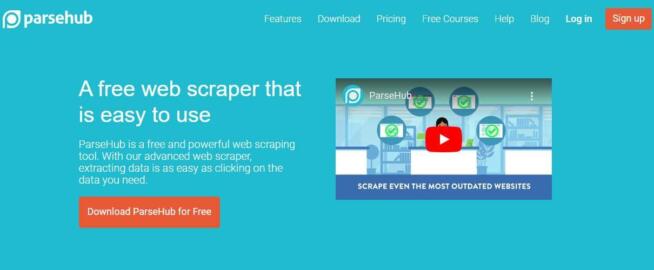
ParseHub is considered a valuable web scraping tool with several notable features and advantages. Here are the key reasons why ParseHub is a good choice for web scraping:
Desktop App: ParseHub offers a dedicated desktop application that is compatible with Windows, Linux, and macOS. This standalone app provides users with a reliable and accessible platform for performing web scraping tasks on various operating systems.
User-Friendly Interface: The tool features a straightforward and user-friendly interface that simplifies the process of scraping information from multiple web pages and websites. It caters to users with varying levels of technical expertise.
Support for Image Extraction: ParseHub includes the capability to extract images, making it particularly valuable for scraping websites like Amazon or Instagram where visual content is essential for analysis and marketing purposes.
Coding Flexibility: While ParseHub is designed to be user-friendly and accessible for non-coders, it also offers support for coding when users require a higher degree of customization. This flexibility allows users to adapt their scraping workflows to specific needs.
Free Plan Availability: ParseHub provides a free plan that allows users to scrape up to 200 pages of data within a 40-minute timeframe. This introductory plan includes a 14-day data retention period and 200 pages per run, making it a suitable starting point for users.
Paid Plans with Enhanced Features: ParseHub offers paid plans that cater to users with more extensive scraping requirements. The Standard Plan, priced at $189 per month, offers faster scraping speeds, IP rotation, scheduling options, and the ability to save images and files to Dropbox.
Professional Plan: For users seeking advanced capabilities, the Professional plan, priced at $599 per month, provides exceptional speed, extended data retention (30 days), priority support, 120 private projects, and unlimited pages per run.
While ParseHub offers several advantages, there are some considerations to keep in mind:
Cost: The Professional plan, priced at $599 per month, may be considered expensive for some users, and it may not be cost-effective for those with limited scraping needs.
Free Plan Limitations: The free plan is somewhat limited in terms of the number of pages that can be scraped and the absence of IP rotation. Users with extensive scraping requirements may need to upgrade to a paid plan.
In summary, ParseHub is a versatile web scraping tool with a desktop application that supports various operating systems. Its user-friendly interface, image extraction capabilities, and optional coding flexibility make it suitable for users with varying levels of technical expertise. The availability of a free plan and paid plans with enhanced features allows users to choose a plan that aligns with their specific scraping requirements and budget constraints. However, users should carefully assess their needs and budget considerations when selecting a plan, as the Professional plan may be relatively costly for some users.
Dexi.io, also known as Dexi, is a web scraping tool that offers several advantages for users looking to extract data from websites efficiently. Here are some key reasons why Dexi.io is considered a good web scraping tool:
User-Friendly Interface: Dexi provides a user-friendly and web-based interface that simplifies the data extraction process. Users can easily set up and execute scraping tasks without the need for extensive coding or technical expertise.
Universal Website Compatibility: Dexi claims to work with every website, making it a versatile tool for extracting data from various sources, including social media platforms, eCommerce websites, and more. This broad compatibility ensures that users can collect data from diverse online platforms.
Data Transformation and Manipulation: Dexi allows users to not only extract data but also transform, combine, and aggregate the collected information. This feature provides users with greater control over the data they extract, enabling them to tailor it to their specific needs.
Integration Capabilities: Dexi emphasizes integration with third-party solutions and tools. This integration capability enhances the tool’s functionality and enables users to extend its capabilities by connecting it to other relevant software or services.
Flexible Subscription Plans: Dexi offers flexible subscription plans that can be tailored to users’ requirements. Users can choose the number of websites, records, and scraping frequency according to their needs. The tool recommends a suitable plan based on these selections.
Data Duplication: Dexi includes a data duplication feature, ensuring that extracted data is not lost. This redundancy helps maintain data integrity and reliability, which is crucial for users relying on web scraping for business purposes.
Scalability: Dexi is scalable, allowing users to adjust their subscription plans as their scraping needs evolve. This scalability accommodates both small businesses and large enterprises that require extensive web data extraction.
However, there are some considerations to keep in mind:
Pricing Transparency: Dexi does not provide pricing information on its website, and users must contact the customer support team to obtain pricing details. This lack of transparency may be a drawback for users seeking immediate pricing information.
In summary, Dexi.io is a web scraping tool that offers a user-friendly interface, universal website compatibility, data transformation capabilities, and integration options. Its flexibility in subscription plans allows users to customize their scraping requirements, while the data duplication feature ensures data reliability. Dexi is scalable and suitable for businesses of various sizes. However, the absence of transparent pricing on the website may require users to engage with customer support to obtain pricing details.
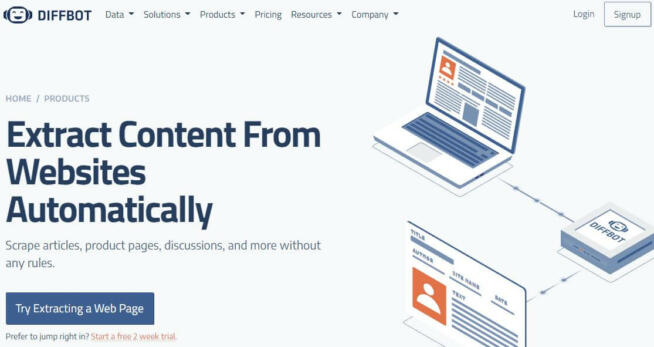
Diffbot is considered a strong web scraping tool that offers a wide range of features suitable for users with varying levels of expertise. Here are some key advantages of Diffbot:
User-Friendly Interface: Diffbot provides an easy-to-use web-based interface that simplifies web scraping. Its advanced AI technology allows users to extract data from websites with a single click, making it accessible to both beginners and professionals.
Crawlbot for Efficient Scraping: Diffbot includes a feature called Crawlbot, which enables efficient scraping of thousands of domains. This capability is valuable for users who need to collect data from a large number of websites.
Captcha Solving: Diffbot offers built-in Captcha solving, which is essential for bypassing security measures on websites that employ Captcha challenges. Additionally, it integrates seamlessly with third-party tools like Zapier and Excel, enhancing its compatibility and productivity.
Data Export Options: Users can export data extracted by Diffbot in multiple formats, including CSV and JSON. This flexibility allows for easy data handling and integration with various applications.
Customization with Coding: While not reliant on coding, Diffbot supports programming languages such as PHP, Ruby, Selenium, JavaScript, and Python. Users with coding expertise can customize their scraping workflows to meet specific requirements.
Cross-Platform Compatibility: Diffbot is available for Windows, macOS, and Linux, with native clients for each platform. This cross-platform support ensures that users can access the tool regardless of their operating system.
Free Trial: Diffbot offers a 14-day free trial without requiring credit card information, allowing users to explore its capabilities and assess its suitability for their needs.
Credit System: Diffbot’s pricing plans include a credit system, with the Startup plan offering 250,000 credits. This credit-based approach provides users with the flexibility to manage their scraping tasks according to their requirements.
However, there are some considerations to keep in mind:
High Cost: Diffbot is one of the more expensive options on the list, with its plans starting at $299 per month for the Startup plan. Users on a tight budget may find the pricing prohibitive.
Limited Website Compatibility: Diffbot may not be able to extract data from all websites, as its capabilities depend on the websites’ structures and layouts. Users should be aware that not all sites may be compatible with the tool.
In summary, Diffbot is a powerful web scraping tool known for its user-friendly interface, advanced AI technology, and support for efficient data extraction. Its Captcha-solving capabilities and integration with third-party tools enhance its functionality and productivity. Users can customize their scraping workflows through coding languages and benefit from cross-platform compatibility. The availability of a 14-day free trial allows users to explore its features, although the tool’s pricing may be considered high by some users. Additionally, website compatibility should be assessed based on individual scraping needs.
Grepsr is recognized as a web scraping tool with several advantages, making it a suitable choice for users seeking to extract data from websites. Here are some key reasons why Grepsr is considered a good web scraping tool:
Customizable Subscription Plans: Grepsr offers customizable subscription plans with flexible pricing. This allows users to tailor their plans according to their specific requirements and budget constraints, ensuring that they only pay for the features and data volume they need.
Ease of Use: Grepsr provides an intuitive and user-friendly interface, making it accessible to both beginners and experienced users. The platform simplifies the process of extracting data from websites, allowing users to set up and execute scraping tasks with ease.
Versatile Data Extraction: Grepsr supports versatile data extraction, allowing users to gather information from a wide range of sources, including market data, financial data, social media, news, and more. The tool’s flexibility makes it suitable for various use cases.
Content Pagination: Grepsr includes features such as content pagination, which is crucial for extracting data from websites with multiple pages or sections. This ensures that users can capture comprehensive data sets even from websites with extensive content.
Captcha Solving: The tool offers Captcha solving capabilities, helping users overcome obstacles that may arise during web scraping. This feature enhances the success rate of scraping attempts and ensures that data extraction is not hindered by Captcha challenges.
Unlimited Bandwidth: Grepsr provides users with unlimited bandwidth, allowing for heavy scraping and data extraction. This feature is beneficial for users who need to extract large volumes of data on a regular basis.
Web Crawling: Grepsr supports web crawling, enabling users to perform full-scale crawls of websites. This capability is particularly useful for comprehensive data collection and in-depth website exploration.
Dedicated Customer Support: Grepsr offers 24/7 customer support, demonstrating a commitment to assisting users and addressing their inquiries or issues promptly.
However, there is one notable consideration:
Pricing Transparency: Grepsr does not display pricing information on its website. Users are required to submit a request for a quote based on their specific needs. While this approach allows for customized pricing, some users may prefer upfront transparency regarding subscription costs.
In summary, Grepsr is a web scraping tool that offers customizable subscription plans, an intuitive interface, versatile data extraction capabilities, and features such as content pagination and Captcha solving. With unlimited bandwidth and web crawling support, it accommodates users with diverse data scraping requirements. However, the absence of displayed pricing on the website may require users to request a customized quote.
Web scraping is a process of gathering and collecting information from websites online. This information can be used for various purposes, such as product & pricing comparison, market research, content research, or simply for data collection for government agencies.
Web scraping tools let you collect any information you want and compile them into a spreadsheet that you or your team can then use for the aforementioned purposes.
2.2 How to perform web scraping?
When talking about web scraping, you should know it can be both straightforward and complicated. Web scraping tools are usually reliant on coding but many of them can be used without coding language, requiring a few simple steps:
a) Visiting the website you want to extract data from;
b) Opening the scrapping tool and pasting the URL from that site;
c) Waiting for the process to finish, after which, the data you requested will be ready.
If you know how to code, you can make things more complex by adding categories, subcategories, and other parameters for advanced data extraction. However, the base is pretty much the same and revolves around these three steps.
2.3 Are web scraping tools expensive?
Well, depends on what you call expensive. Usually, we’re talking about a price of a few hundred dollars a month if you’re looking to get the best possible features. Enterprise plans tend to go up to $1,000 a month or more, but the cheapest plans can cost you somewhere around $20 to $50 a month.
Some web scraping tools offer free plans as well, although they’re limited in terms of the number of requests you can send and they’re missing some important features.
Marcus is a cybersecurity analyst with a focus on VPN and proxy services. As the founder and driving force behind a prominent VPN and proxy website, Private Proxy Guide, Marcus has emerged as a trusted authority in the digital realm. With a passion for staying ahead of evolving cyber threats, he has played a pivotal role in educating and empowering individuals and businesses to safeguard their online presence.
To provide the best experiences, we use technologies like cookies to store and/or access device information. Consenting to these technologies will allow us to process data such as browsing behavior or unique IDs on this site. Not consenting or withdrawing consent, may adversely affect certain features and functions.
Functional
Always active
The technical storage or access is strictly necessary for the legitimate purpose of enabling the use of a specific service explicitly requested by the subscriber or user, or for the sole purpose of carrying out the transmission of a communication over an electronic communications network.
Preferences
The technical storage or access is necessary for the legitimate purpose of storing preferences that are not requested by the subscriber or user.
Statistics
The technical storage or access that is used exclusively for statistical purposes.The technical storage or access that is used exclusively for anonymous statistical purposes. Without a subpoena, voluntary compliance on the part of your Internet Service Provider, or additional records from a third party, information stored or retrieved for this purpose alone cannot usually be used to identify you.
Marketing
The technical storage or access is required to create user profiles to send advertising, or to track the user on a website or across several websites for similar marketing purposes.