Quick answer: The Best TikTok Bot in 2025 is FuelTok!
Depending on how you use your TikTok account and the tasks you perform, there are some activities that can get tedious and boring.
You may also find that these activities have a repetitive element to them. Some examples of these tasks are liking posts, writing comments, following accounts, etc. This is where TikTok bots come in.
Bear in mind that many of these tasks are required to grow your TikTok audience. After all, people need to see and appreciate you to care, don’t they?
It’s very important for any TikTok bot you use to come across as humanlike as possible. If the bot’s behavior isn’t natural, then it may bring your account under scrutiny rather than grow it.
Once your account is perceived to be a bot account, things can begin to go downhill very quickly. So, which bots can be useful assets to your TikTok account? This is a review of six of the best TikTok bots in the game.
Please note that I have also included two services selling likes at the bottom of this list. It’s not traditional bots, but you might be interested in it anyway. The safest way to grow your TikTok account is to use a growth service and that’s why it’s listed as #4 here.
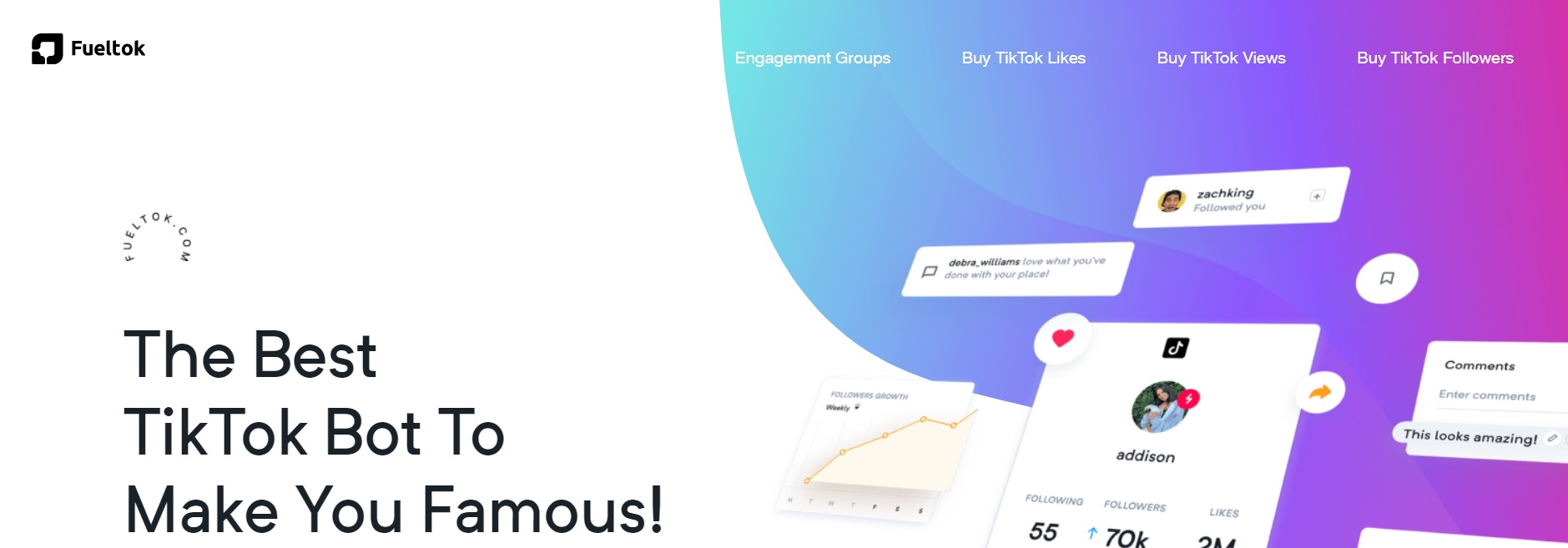
Fueltok is considered a good TikTok bot for several reasons:
Platform-Specific Focus: Fueltok exclusively targets TikTok, which can be a significant advantage. TikTok’s unique and creative nature requires specialized strategies and tools, and Fueltok’s focus on this single platform ensures that its features are optimized for TikTok’s specific algorithms and user behaviors.
Seven-Day Free Trial: The availability of a seven-day free trial is a strong selling point. This trial period allows users to test the service thoroughly before committing financially. It’s a considerable amount of time to gauge the effectiveness of the bot in enhancing a TikTok profile.
Potential to Increase Engagement: Fueltok claims to help increase likes, views, and followers on TikTok profiles. These features are essential for users looking to grow their presence on the platform and potentially go viral.
Flexible Pricing Plans: With a variety of pricing options, including one-month, three-month, and six-month plans, Fueltok caters to different budgetary and commitment preferences. The descending cost per month with longer commitments can be appealing for users planning long-term use.
Specialization in TikTok: The specialization in TikTok means that Fueltok likely has a deeper understanding of the platform’s nuances compared to more generalized social media bots. This could translate into more effective strategies and better results for TikTok growth.
In summary, Fueltok’s focus on TikTok, the generous free trial period, the potential to boost engagement, and flexible pricing make it an appealing choice for TikTok users looking to enhance their profile’s performance on the platform. However, as with any social media bot, users should consider the authenticity and quality of engagement, and ensure their strategies align with TikTok’s terms of service.
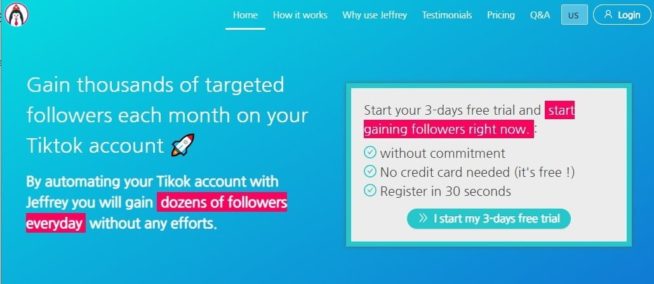
Jeffrey, as a TikTok bot service, presents several features and benefits that make it an attractive option for users looking to grow their TikTok followers. However, it’s essential to approach the use of such services with caution and awareness of potential risks. Here’s an analysis of why Jeffrey might be considered a good choice for some users:
Pros
Automated Follower Growth: Jeffrey promises significant follower growth on TikTok with minimal effort from the user’s end. This can be appealing for users looking to rapidly expand their audience.
Three-Step Process: The service simplifies the growth process into three steps: account connection, follower optimization, and observing growth. This simplicity can be attractive for users who are not tech-savvy or those looking for an easy-to-use solution.
Follower Optimization Strategy: Jeffrey follows accounts and then unfollows them after a few days. This strategy is designed to increase your followers while keeping your following count relatively unchanged, which can help in maintaining a favorable follower-to-following ratio.
Target Audience Specific: The service uses information about your desired target audience to gain relevant followers. This means the followers gained are more likely to be genuinely interested in your content, rather than being random users.
Free Trial and Affordable Cost: A free three-day trial allows users to test the service before committing financially. Additionally, its pricing, starting at $49.99 per month, is positioned as affordable.
Premium Support: Offering premium support can be a significant advantage for users who may encounter issues or have questions about the service.
Cons
Self-Configuration Required: The absence of a dedicated account manager means users must configure and manage the bot themselves, which might be challenging for some, especially those unfamiliar with such tools.
Single Pricing Tier: Only having one price tier might limit options for users with different budget constraints or varying levels of needs.
Cautionary Note
While Jeffrey and similar bots can offer a quick way to grow followers, it’s important to be aware of potential risks:
Platform Compliance: Using bots can sometimes violate TikTok’s terms of service, potentially leading to account restrictions or bans.
Authentic Engagement: Bots may increase follower numbers, but they don’t necessarily contribute to genuine engagement, which is crucial for long-term growth and monetization on the platform.
Conclusion
Jeffrey appears to provide a straightforward, user-friendly solution for increasing TikTok followers, especially suited for those targeting specific audience demographics. The process it employs, along with its free trial and support system, adds to its appeal. However, users should weigh the potential risks and ensure compliance with TikTok’s policies. It’s also important to consider the long-term value of organic growth and authentic engagement over purely numerical increases in followers.
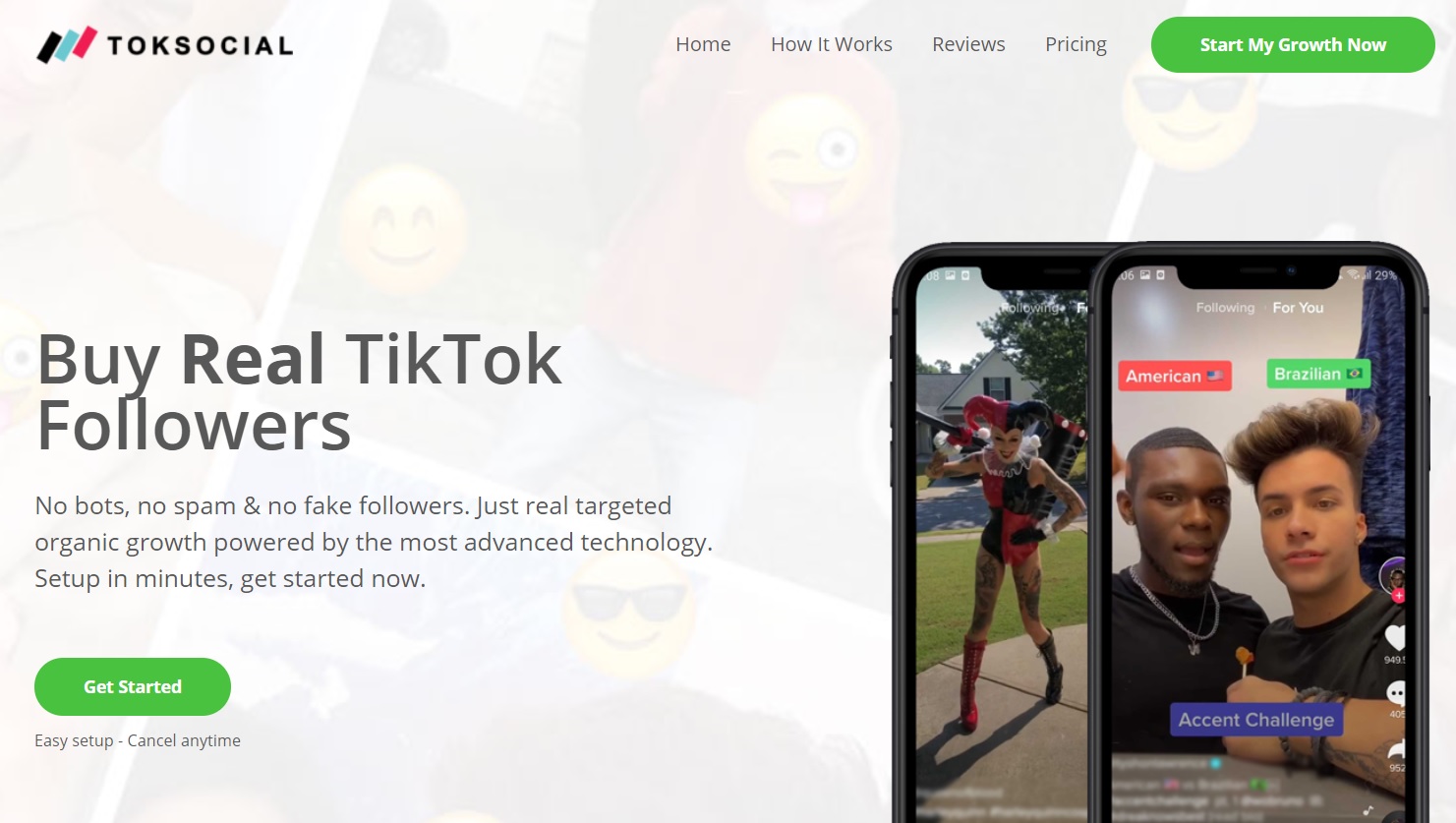
Toksocial stands out as a valuable TikTok bot for several reasons, particularly for users seeking genuine engagement and growth on the platform. Here’s a detailed breakdown of its features and benefits:
Authentic Engagement and Growth: One of the primary strengths of Toksocial is its commitment to delivering real, active growth without resorting to false followers, likes, or spam. This approach ensures that the engagement and growth you experience are authentic and sustainable over time.
Advanced Technology for Targeted Growth: Toksocial utilizes advanced technology to facilitate targeted growth. This means that the followers and engagement you gain are more likely to be relevant to your content and interests, enhancing the effectiveness of your growth strategy on TikTok.
User-Friendly Sign-Up Process: The platform offers a quick and straightforward sign-up process, making it accessible for users regardless of their technical expertise. This ease of getting started is a significant advantage for those who want to begin improving their TikTok presence without delay.
Flexible Subscription Model: Toksocial allows users to cancel their subscription at any time. This flexibility is beneficial for users who prefer not to commit to a long-term contract and wish to retain control over their subscription period.
Advanced Filters for Selective Communication: The platform offers advanced filtering options, enabling users to be highly selective about their audience and engagement. This feature is particularly useful for those looking to build a specific type of follower base or engage with a particular demographic.
Dedicated Account Manager and 24/7 Customer Service: Toksocial provides a dedicated account manager for personalized assistance, along with round-the-clock customer service. This level of support ensures that users can get help whenever needed, enhancing the overall user experience.
Pricing:
Regular plan: $15 per week.
Pro plan: $25 per week.
Pros:
Easy setup process.
Advanced filtering capabilities for targeted growth.
Focus on real and active followers, enhancing the quality of engagement.
Personalized account management and 24/7 customer support.
Cons:
The service does not offer a free trial, which might be a drawback for users who prefer to test the platform before committing financially.
In summary, Toksocial’s focus on real and active growth, advanced targeting technologies, user-friendly setup, and strong customer support make it a compelling choice for TikTok users looking to enhance their presence on the platform. However, the lack of a free trial means users have to commit financially to test the service.
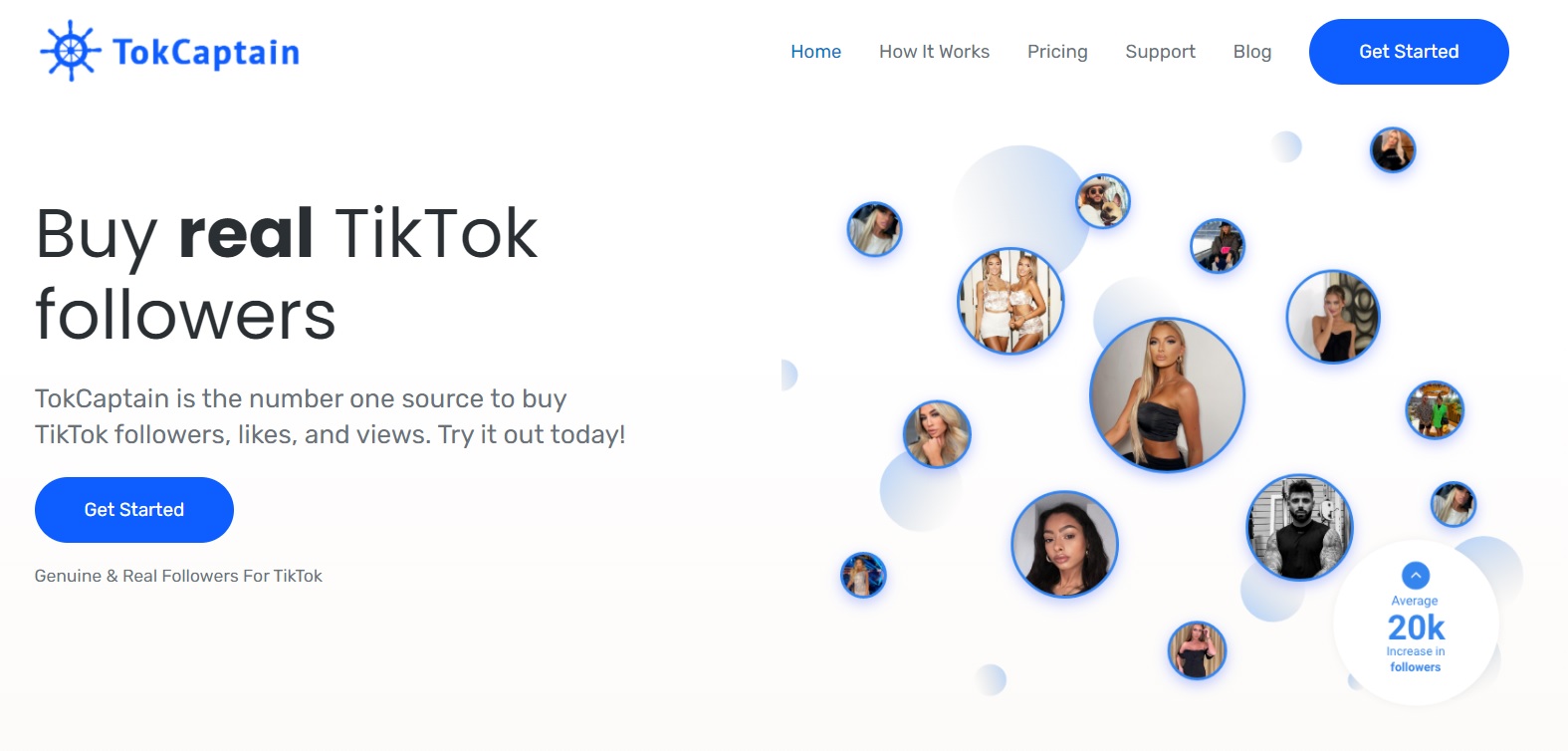
TokCaptain is considered a good option for those looking to enhance their TikTok engagement through a bot for several reasons:
Pros
Specialized TikTok Services: TokCaptain focuses specifically on TikTok, which means their services are tailored to the unique dynamics and algorithms of the platform. This specialization can lead to more effective strategies compared to generic social media growth tools.
Simplicity and Ease of Use: The process of getting started with TokCaptain is straightforward, making it accessible even for those who are not highly tech-savvy. Users can easily select the service that fits their needs, which is beneficial for saving time and effort.
Immediate Results: They offer rapid results in terms of boosting exposure on TikTok. For users looking to quickly increase their visibility and engagement, this can be a significant advantage.
Targeted Engagement: TokCaptain’s strategy of targeted engagement is crucial for effective social media growth. By understanding and focusing on a specific target audience, the engagement is likely to be more relevant and valuable, leading to higher quality followers and interactions.
Variety of Pricing Plans: With plans ranging from $2.99 to $5.99, TokCaptain offers a variety of options to suit different budgets and needs. This flexibility allows users to choose a plan that aligns with their financial constraints and specific requirements.
Cons
No Free Trial: The lack of a free trial might be a drawback for some users. A free trial allows users to test the service before committing financially, ensuring it meets their needs and expectations.
Additional Considerations
Authenticity and Compliance: While TokCaptain claims no fake engagement, it’s crucial for users to ensure that the methods used comply with TikTok’s terms of service to avoid any potential penalties or bans.
Long-Term Impact: Users should consider the long-term impact of using a bot for engagement. Organic growth, though slower, often results in more sustainable and engaged follower bases.
Security and Privacy: When using third-party services like bots, it’s essential to consider the security and privacy of your TikTok account. Ensure that the service doesn’t require sensitive personal information or access that could compromise your account’s security.
In summary, TokCaptain appears to be a user-friendly, effective option for enhancing TikTok engagement, especially for those seeking targeted growth and rapid results. However, potential users should weigh the absence of a free trial and consider the broader implications of using such a service on their long-term social media strategy and account security.
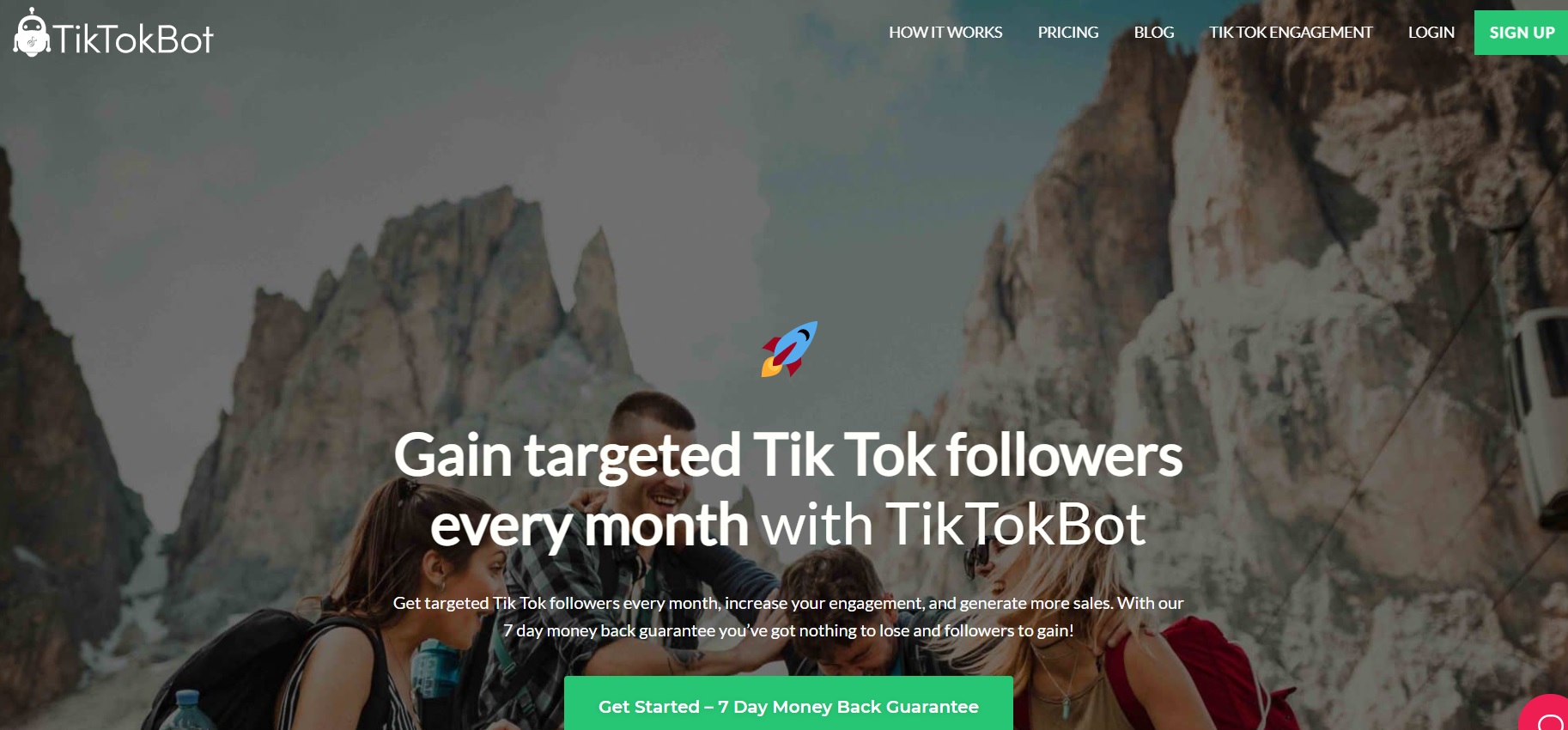
TikTokBot is considered a good TikTok bot for several reasons, especially for those looking to increase their follower count on TikTok:
Ease of Gaining Followers: TikTokBot positions itself as a tool to rapidly and effortlessly gain new TikTok followers. This is particularly appealing for users looking to grow their audience quickly without investing significant time in manual engagement strategies.
Automation of Account Boosting: By automating the process of boosting your account, TikTokBot can potentially attract thousands of new followers each month. This automation allows users to focus more on content creation rather than on the growth tactics.
Focus on Content Creation: With the operational aspects of account growth handled by the bot, users can dedicate their time and energy to creating more TikTok videos, which is the core activity for any content creator.
Pricing: At $29.9 per month, TikTokBot offers an affordable option for accessing all its features. This pricing is competitive and can be attractive to individuals or small content creators who are budget-conscious.
Three-Day Free Trial: The availability of a three-day free trial provides an opportunity to test the service without any initial financial commitment. This can be particularly useful for users to assess the effectiveness and suitability of the bot for their needs.
Direct Customer Support: Providing direct customer support ensures that users can get help promptly if they encounter issues or have queries regarding the service.
Simple and Easy Sign-Up Process: An uncomplicated sign-up process makes it more accessible, especially for users who are not technically inclined or prefer a straightforward setup.
However, there are some cons to consider:
Single Subscription Option: Having only one subscription option limits flexibility for users who might be looking for more tailored or scalable packages.
Generic Structure: The lack of unique or special features may put TikTokBot at a disadvantage compared to other bots that offer more customized or innovative functionalities.
Questionable Reviews: If there are questionable reviews about the service, potential users should approach with caution. It’s important to research and verify the effectiveness and legitimacy of such tools, especially in the context of platform compliance and ethical use.
In summary, TikTokBot’s appeal lies in its ability to simplify and automate follower growth on TikTok, allowing users to focus on content creation. Its affordability and user-friendly approach make it an attractive option, but the potential drawbacks, such as the generic structure and the need for careful consideration of reviews and platform guidelines, should also be kept in mind.
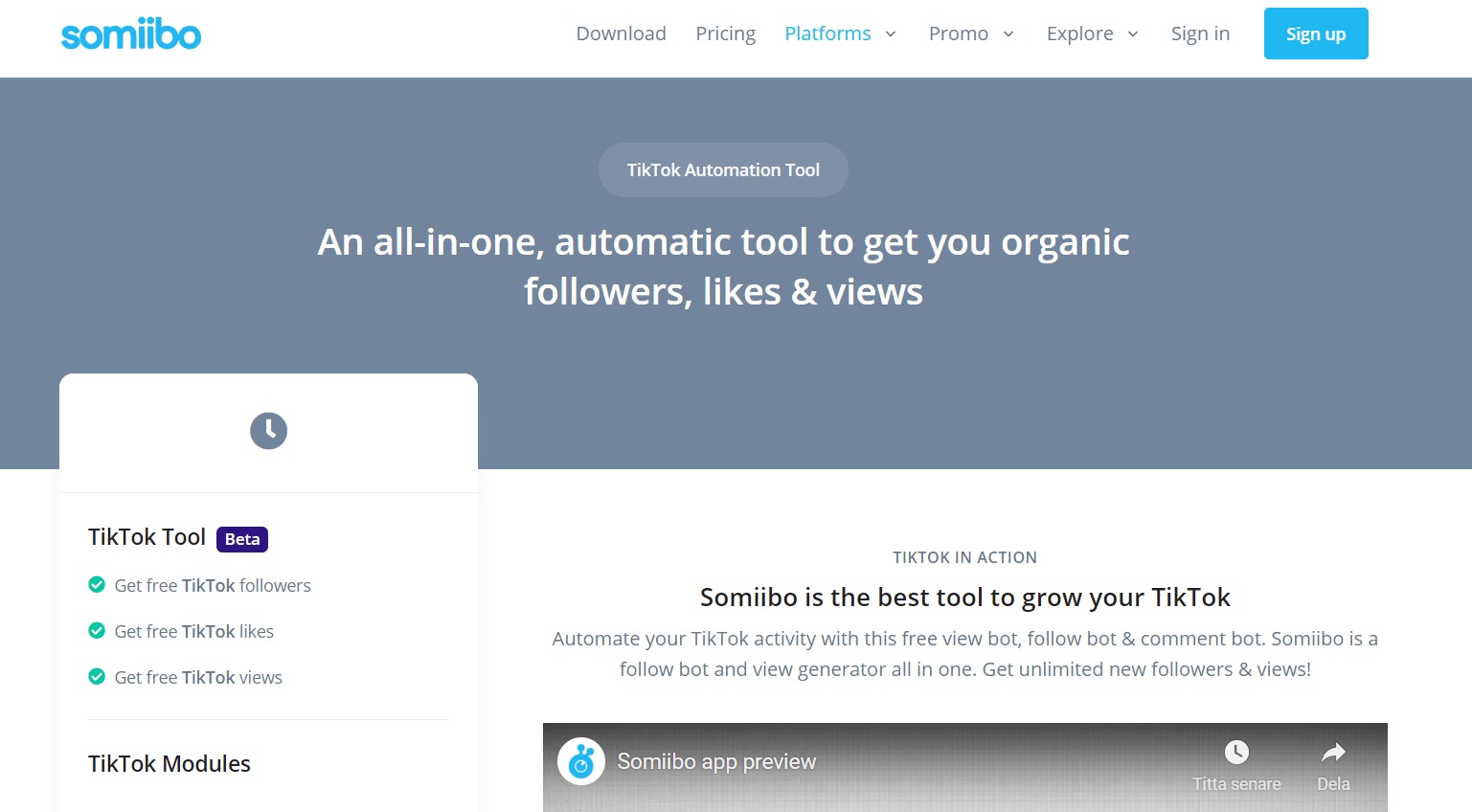
Somiibo presents itself as a social media automation tool, specifically for TikTok, offering certain features and benefits, but also comes with potential drawbacks:
Pros
Organic Growth: Somiibo claims to facilitate organic growth in likes and followers on TikTok. This is appealing for users looking to increase their social media presence without resorting to inorganic methods like buying followers.
Ease of Use: The platform is described as straightforward to start with, suggesting a user-friendly interface that allows users to engage with their social media automation activities efficiently.
Free Trial Option: Offering a free trial gives potential users the opportunity to test the service before committing financially, which can be a key factor for users unsure about the effectiveness or suitability of the platform.
Flexible Pricing: Somiibo provides different pricing tiers, including a weekly and monthly payment option, as well as a more economical yearly subscription. This flexibility can be advantageous for users with varying budgetary constraints.
Cons
Risk of Account Ban or Suspension: As with any bot, there’s a risk of violating TikTok’s terms of service, which could lead to account suspension or banning. This is a significant risk for anyone looking to maintain a long-term presence on the platform.
Lack of 24/7 Support and Customer Service: Without round-the-clock support, users may find it challenging to get immediate help or resolution for any issues they encounter, which can be a drawback, especially for those using the platform heavily.
Negative Reviews: The mention of less favorable reviews suggests that some users may have had suboptimal experiences with the tool. User reviews are an important consideration when evaluating the reliability and effectiveness of a service.
Potential Ethical and Compliance Issues: The use of bots for social media growth can raise ethical concerns and may not align with the platform’s policies, potentially impacting the authenticity of user engagement.
Summary
Somiibo offers a solution for users seeking to automate their TikTok engagement and grow their followers and likes. While its ease of use and free trial option are appealing, the potential risks associated with using a bot, such as the possibility of account suspension and the lack of robust customer support, are significant factors to consider. Additionally, the negative reviews and ethical considerations regarding the use of automation in social media growth should be weighed carefully before deciding to use this service.
Instamber stands out as a good TikTok bot for several reasons, especially for those aiming to grow their TikTok audiences:
Affordable Pricing: At $15/month, Instamber offers a cost-effective solution for TikTok audience growth. This pricing is appealing for individuals or small businesses looking to expand their reach without a significant financial investment.
Automation of Repetitive Tasks: The bot automates tasks such as liking, following, and unfollowing, which can be time-consuming when done manually. This automation allows users to focus on creating content rather than on the repetitive aspects of audience building.
Simple and User-Friendly Process: The three-step process of registering, linking the TikTok profile, and defining the points of interest makes the tool accessible and easy to use, even for those who are not tech-savvy.
Targeted Marketing Strategy: Instamber allows users to define their target audience using categories such as gender, username, language filters, and hashtags. This targeted approach ensures that the followers and likes gained are relevant to the user’s content and goals.
Non-Aggressive Automation: The bot operates in a non-aggressive manner, which reduces the risk of violating TikTok’s terms of service. This cautious approach is essential for maintaining the integrity of the user’s account.
Growth Monitoring: The growth monitor feature enables users to track their progress, providing valuable insights into the effectiveness of their strategy and allowing for adjustments as needed.
Safe and Secure: The emphasis on safety and security is crucial in a landscape where many bots and automation tools can pose risks to account security.
However, there are some cons to consider:
Limited Support Options: Support only via email may not be sufficient for users who require immediate assistance or more interactive customer service.
Low-Maintenance Approach: While being low-maintenance is often a pro, it may also mean less control and customization for users who prefer to be more hands-on with their growth strategies.
In summary, Instamber’s affordability, efficient automation, targeted marketing strategy, non-aggressive operation, and user-friendly process make it a compelling choice for TikTok users looking to grow their audience. However, the limitations in customer support and the low-maintenance approach might be drawbacks for some users.
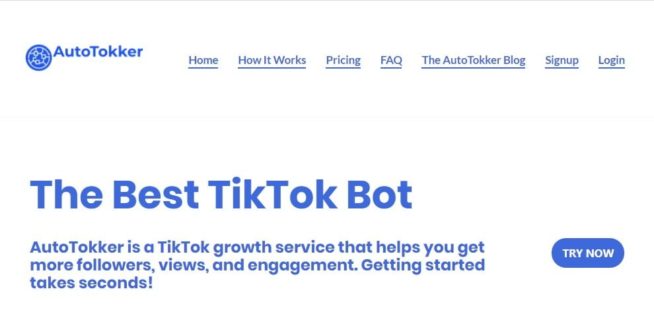
AutoTokker is considered a good TikTok bot for users who are looking to grow their presence on the platform efficiently and effectively. Here are the reasons why AutoTokker is viewed positively:
Pros
Safe and Secure: AutoTokker emphasizes safety and security, which is essential when using automation tools on social media platforms. It operates within TikTok’s terms of service and doesn’t engage in overly aggressive actions that could result in account suspension.
Easy to Use: AutoTokker is designed to be user-friendly and accessible. Users don’t need to have advanced technical skills to set up and use the service. This makes it accessible to a wide range of TikTok users.
Reporting Feature: The presence of an intuitive reporting feature is a significant advantage. Users can monitor their performance and the effectiveness of the bot’s actions easily. This transparency allows users to make informed decisions about their TikTok growth strategy.
Targeted Growth Workflow: AutoTokker requires users to select three target accounts, allowing for a more focused and niche-specific approach to growing followers. This targeted growth strategy can lead to a more engaged and relevant audience.
24/7 Support: Having access to 24/7 support ensures that users can get assistance whenever they need it. This level of customer support can be reassuring, especially for those new to using TikTok bots.
Cons
Pricey Compared to Other Options: While AutoTokker offers a range of benefits, it is relatively more expensive compared to some other TikTok bot options in the market. Users need to consider their budget and requirements before opting for this service.
Single Price Tier: AutoTokker offers a single pricing tier starting at $44.99 per month. While this simplifies the pricing structure, it may not cater to users with varying needs. Some users may find that they are paying for features they don’t require.
In summary, AutoTokker is a good TikTok bot for users who prioritize safety, ease of use, and targeted growth on the platform. Its reporting feature, along with 24/7 support, adds value to the service. However, potential users should be aware of its pricing, which is relatively higher than some alternatives, and the single pricing tier that may not cater to all user needs. It’s essential to assess individual requirements and budget constraints when considering this TikTok bot.
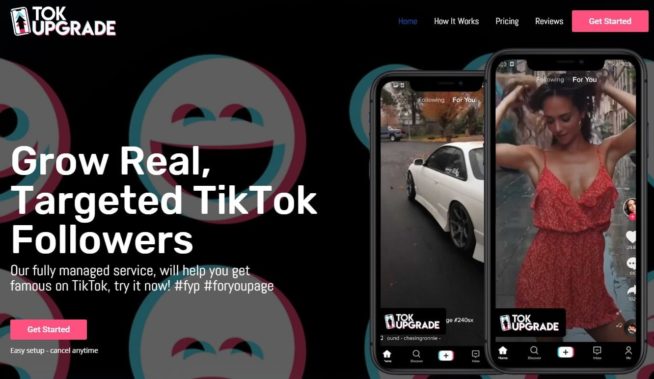
TokUpgrade is considered a good TikTok bot for several reasons:
Affordable Pricing: TokUpgrade offers pricing starting from $15 per week, making it a cost-effective option for individuals or businesses looking to grow their TikTok presence.
Real and Targeted Followers: The primary goal of TokUpgrade is to target and attract real followers who have a genuine interest in your content. This focus on real engagement can lead to more meaningful interactions and a more authentic following.
No Bot Involvement: TokUpgrade prides itself on not using bots in its workflow. Instead, it relies on organic methods to grow your TikTok following. This approach can help ensure compliance with TikTok’s guidelines and maintain the integrity of your account.
Personalized Account Manager: Upon signup, you are assigned an account manager who works with you to understand your goals and target audience. This personalized approach allows TokUpgrade to tailor its growth strategies to your specific needs and preferences.
Targeted Marketing: The account manager collects information about your target audience, including demographics such as location, age group, industry, and niche. This data is used to create and execute a growth plan that aligns with your target audience’s interests.
Four Pillars of Growth: TokUpgrade’s approach to growth is built on four key pillars: targeted followers, no bots, automated growth, and a commitment to safety and security. These pillars ensure a comprehensive and ethical approach to TikTok growth.
24-Hour Service: TokUpgrade operates around the clock, allowing you to receive support and assistance whenever you need it.
Emphasis on Security: The service places a priority on security, which is crucial when dealing with social media growth services.
However, there are some drawbacks to consider:
No Follower Increase Guarantee: Due to the organic nature of the growth strategy, TokUpgrade cannot guarantee a specific increase in followers. Organic growth relies on attracting users genuinely interested in your content, which may vary in terms of quantity.
Limited Pricing Tiers: TokUpgrade offers only two pricing tiers, which may not cater to users with different budgetary preferences.
In summary, TokUpgrade’s affordable pricing, focus on real and targeted followers, personalized account management, and commitment to organic growth methods make it a good choice for individuals and businesses looking to grow their TikTok following. While there is no follower increase guarantee, the emphasis on security and compliance with TikTok guidelines ensures a safe and ethical approach to TikTok growth.
Media Mister offers a TikTok bot service that focuses on enhancing the visibility and popularity of TikTok accounts. It provides various features and benefits that can appeal to users looking to increase their presence on the platform. However, it’s important to consider the potential advantages and disadvantages when using such services. Here’s an analysis of why Media Mister might be considered a good TikTok bot:
Pros
Comprehensive Bot Service: Media Mister offers a wide range of services to grow accounts across different social media and entertainment platforms. This versatility allows users to enhance their presence on various networks through a single service.
Enhancement Tool: Media Mister’s primary goal is to boost the credibility and visibility of TikTok accounts. By providing users with thousands of likes and comments, the service helps accounts appear more popular, potentially attracting more organic engagement.
Improved Visibility: Increased likes and comments can improve the visibility of TikTok accounts, as platforms often consider account popularity when ranking search results. This can help users reach a broader audience.
Real Followers: Media Mister emphasizes that the followers gained through its service are real TikTok account owners, which can contribute to genuine engagement on the platform.
Fast Turnaround Time: The service promises a 72-hour turnaround time, which means users can expect to see results relatively quickly after placing an order.
Money-Back Guarantee: Media Mister offers a 30-day money-back guarantee, providing a level of assurance to users who may have concerns about the service’s effectiveness.
Customer Support: The availability of a support team to handle user issues and queries is valuable for those who may require assistance during their growth campaigns.
Affordable Pricing: Media Mister offers competitive pricing, with rates starting from $2 for 1000 views. This affordability can make it accessible to users with various budgets.
Versatility: While Media Mister is primarily focused on TikTok, it can also be used for other social media platforms, allowing users to diversify their growth strategies.
Cons
Lack of Niche Targeting: Media Mister’s service is geared towards increasing an account’s general popularity rather than targeting a specific niche or audience. This may not be suitable for users looking for niche-specific growth.
Site Design: Some users may find the site design to be crowded or overwhelming, which could impact the user experience.
Conclusion
Media Mister offers a comprehensive TikTok bot service aimed at boosting the visibility and credibility of TikTok accounts. Its versatile features, fast turnaround time, money-back guarantee, and affordability make it an attractive option for users seeking enhanced TikTok growth. However, users should be aware that the service primarily focuses on general popularity rather than niche targeting. As with any bot service, users should consider the long-term value of genuine engagement alongside numerical growth on the platform.
FollowersUp is considered a good TikTok bot service, offering various features and benefits that can assist users in increasing their TikTok popularity metrics. However, it’s important to approach the use of such services with caution and consider the potential pros and cons. Here’s an analysis of why FollowersUp might be an attractive option for some users:
Pros
Multi-Service Capability: FollowersUp provides users with the ability to grow accounts on various social media and entertainment platforms, making it a versatile option for users looking to enhance their presence across different networks.
Affordable Packages: The pricing structure of FollowersUp is competitive, starting from $3 for 1000 views on TikTok. This affordability can make it accessible to a wide range of users, including those with limited budgets.
Niche-Based Targeting: The service allows users to specify their target audience and niche, ensuring that the growth efforts are directed towards a relevant and engaged audience. This can be particularly valuable for users with specific content or business objectives.
Fast Turnaround Time: FollowersUp offers quick delivery of its growth plans, with most plans completed within 24 to 48 hours. Even the longer turnaround time for the shares option (within a week) is relatively fast compared to some other services.
24/7 Service: The availability of FollowersUp as a 24/7 service ensures that users can experience faster growth and an enhanced TikTok presence. This can be especially advantageous for those seeking rapid results.
Retention Rate: FollowersUp boasts a high retention rate for the followers gained through its service. This means that the followers are more likely to remain engaged with your content over time, contributing to sustainable growth.
Comprehensive Customer Support: The presence of comprehensive customer support can be valuable for users who may have questions, issues, or require assistance with their growth campaigns.
Cons
Delivery Delays: One potential drawback reported by some users is that orders may not always be delivered on time. This can be frustrating for those expecting timely results from their growth plans.
Cautionary Note
While FollowersUp offers several advantages for TikTok growth, it’s important for users to be aware of certain risks:
Platform Compliance: The use of TikTok bots or similar services can potentially violate TikTok’s terms of service, which may result in account restrictions or bans.
Conclusion
FollowersUp is a versatile and cost-effective option for users looking to enhance their TikTok metrics, with the ability to target specific niches and engage a relevant audience. Its quick turnaround time and high retention rate are standout features, making it an appealing choice for users seeking sustainable growth. However, users should be prepared for potential delivery delays and should always consider compliance with TikTok’s policies when using such services. Additionally, users should weigh the benefits of numerical growth against the importance of genuine engagement for long-term TikTok success.
2. Tiktok Bot FAQ
This section covers some of the most frequently asked questions where TikTok bots are concerned.
1. Who needs a TikTok bot?
A TikTok bot is for anyone who wants a large increase in followers. This is especially true when those followers fall within a specific niche or target market. In the current landscape of TikTok, it’s hard to grow your audience without a bot, as there are many popular channels that people are focused on.
2. Can a TikTok account be banned for bot use?
It is possible for your TikTok account to be banned if the terms of service are violated. The clause that many bots violate is the number of safe actions an account can perform in a day. A flag is raised whenever this number is exceeded, and that’s where things go downhill for bot users. You should ensure that whatever bot service you use respects and stays within the allotted limit.
3. What are common TikTok bot features?
The most important thing is a mechanism to grow your audience. Most bots achieve this using a follow/unfollow process. Doing so allows your audience to grow without changing the number of people you follow. TikTok has a 20% – 50% follow-back rate, so it’s a feasible strategy. Additional features include commenting and liking people’s content. There are also other features that are less common, but these all depend on which service you choose to go with.
3. Conclusion
The best TikTok bots discussed above can be used as tools to promote engagement, which leads to an increase in your number of followers. There are numerous services that can be used for automation tasks to boost your account. Some of these use purely organic methods, while others use bots in the backend. Whatever the case may be, ensure that the service you choose has the tools you need for success.
Marcus is a cybersecurity analyst with a focus on VPN and proxy services. As the founder and driving force behind a prominent VPN and proxy website, Private Proxy Guide, Marcus has emerged as a trusted authority in the digital realm. With a passion for staying ahead of evolving cyber threats, he has played a pivotal role in educating and empowering individuals and businesses to safeguard their online presence.