Quick answer: The Best Ticketing & Ticketmaster Proxy in 2025 is Oxylabs!
Below are our recommended proxy services for ticketing/Ticketmaster. Our all-around top choice is Oxylabs because they support a large number of ticketing websites, but they are not the cheapest option. The most affordable option in our opinion is Decodo, but they have fewer proxies, but still very good.
Please note that you may experience problems with datacenter proxies since there is a risk that Ticketmaster bans IPs from the same subnet. That’s why these packages are so large. If this has happened to you in the past, then use residential proxies instead since there is a lower risk of these getting banned. Some residential IP providers such as Storm Proxies do not work with Ticketmaster.
Our complete list of the best Ticketmaster/ticketing proxy providers 2025:
Decodo: Cheap residential proxies starting at $75. These should be good for Ticketmaster/ticketing.
Oxylabs: High-quality residential proxies for Ticketmaster and ticket-sites. Prices start at $99.
Luminati: Great proxies for Ticketmaster with packages starting at $500/month or pay as you go starting at $17.50 per GB.
GeoSurf: Rotating proxies that work well for ticketing, starting at $450/month.
NetNut: Residential proxy provider with prices starting at $300/month.
About Ticketing Websites
Ticketing websites, like Ticketmaster, are notoriously restrictive. These platforms are struggling to fight scalping and do so by blocking the IP addresses of those who attempt to purchase more than eight tickets at once. This impacts more than just ticket resellers. Managers buying tickets for their staff, salespeople purchasing tickets for preferred clients, and even teachers looking to buy enough tickets to bring their class to a particular event are all affected by these incredibly restrictive policies.
Since popular events are known to sell out within minutes, you don’t have a chance to complete multiple purchases of eight tickets at a time – especially if you are buying for a large group or are running a resale business. Once your IP address is blocked, you cannot access the site to purchase tickets again, even if you log in using a different email address or username. There is no appeal process, so even if you have accidentally tried to purchase too many tickets, you can see your Ticketmaster access permanently blocked.
Which are Ticketmaster Proxies?
The way to get around these blocks, and to avoid them in the first place if you want or need to purchase a large number of tickets to one or more events, is to use a proxy. In particular, you should use a proxy specifically designed for Ticketmaster. These proxies are usually sold in bulk, with as many as hundreds of proxies available in each package.
Who Should Use Ticketmaster Proxies?
You do not need a Ticketmaster proxy if you are planning on only purchasing one or two tickets to one event. However, if you find that you need to buy a lot of tickets at once, a proxy is the only way to do so. Proxies also let you buy large blocks of tickets in the same area of the event venue, ensuring that your whole group can sit together. Alternatively, you can purchase large blocks of tickets at random locations throughout a venue. People who need to buy tickets as part of their job can benefit greatly from proxies. This includes administrative assistants buying tickets for clients or others in their organization, teachers arranging class trips, and people who are in the ticket resale business.
What to Look for in a Ticketmaster Proxy
When you are looking for proxies to use with Ticketmaster, it is incredibly important that you focus on proxies specifically designed for this purpose. Otherwise, your account may get flagged anyway. Ticketmaster frowns upon proxy use and has been known to block users simply for using proxies in the past, even if they did not violate any other rule. Proxy packages that are intended for use with Ticketmaster are your safest bet.
Not all proxy companies are created equal, so you should take some time to carefully review each package before you decide to buy. In particular, look for the following characteristics:
Virgin Proxies. You want to be sure that the proxy you use has not already been used on Ticketmaster. This could alert them to the possibility of foul play, which can quickly result in bans. Virgin proxies are those that have never been used with Ticketmaster before, so you know you can safely use them without worry.
Multiple Locations. The proxy company you choose should be able to sell you proxy packages with IP addresses in multiple metropolitan areas. This gives you the ability to choose the area based on the event you are buying tickets for. While Ticketmaster does not prohibit those in Los Angeles from purchasing tickets for events in New York, if this is consistently done, it may alert them to other account violations, like using proxies and bots to purchase blocks of tickets. Ideally, the proxy you use should be located in or close to the area where the event is being held.
Private Proxies. Avoid public proxies at all costs. Even though they are typically much cheaper than private ones, public proxies give you no assurance of safety. They are typically randomly assigned, meaning that you could get an IP address that has already been flagged when used with Ticketmaster, or your activity could be the final straw, resulting in a ban. No one wants to be on the hook for someone else’s internet behavior.
Dedicated Proxies. Some private proxy companies offer shared proxy packages, sharing the same IP address among two or three other users in exchange for a lower rate. While this may seem appealing, it still presents all the risk inherent with using public proxies.
Rotating Proxies. Some proxy services may offer you a private package at a rate that seems too good to be true. In most cases, this is because the proxies are static, which is not ideal. Rotating proxies are changed every day, sometimes every hour, giving you a fresh batch of proxies whenever they are rotated, ensuring that they don’t go stale. Using rotating proxies gives you a few perks. The biggest is that you don’t have to switch proxies yourself, nor do you need to constantly worry if the proxies you are using have been banned. Another perk of using a rotating proxy is avoiding the captcha problem. Ticketmaster increases the number of captchas a user has to solve if they are suspicious about the user’s activities. Filling these in can get annoying and time consuming, wasting precious time when you are trying to get tickets for fast-selling events. Rotating IPs ensure that the captcha tests are easy, lowering your chance of getting banned.
Easy Use. The best proxies have a smart API built in. This lets you load all the information about your event and then open multiple pages with only one click. It is crucial that each page opened uses a different IP address to avoid detection. Proxies that have this type of API are ideal because they cut down on time, make buying tickets easier, and ensure that you escape detection.
Why Residential Proxies?
When it comes to using proxies for professional purchases, most people recommend staying away from residential ones. In many cases, use of residential IP addresses can alert the company you are trying to use the proxy with to the fact that you are doing something they technically prohibit. However, when it comes to Ticketmaster proxies, residential IP addresses are the way to go.
The biggest benefit is the impression it gives to Ticketmaster. When you use a residential IP address, it looks like you are an average, everyday user trying to purchase tickets to an event form your home. Since this is a practice Ticketmaster does not object to, the company has no need to look further into your activities. Traffic that comes from a commercial address may seem suspicious, resulting in closer inspections.
Residential proxies are typically a bit slower than other ones, but this is also to your advantage. The speed of these proxies is not slow enough to prevent your bots from completing the purchases you need, while also being slow enough to avoid detection. Security officers may find high connection speeds and heavy traffic to be suspicious, causing a further look into your activities and resulting in a ban.
A final benefit to using these proxies is their low cost. Proxy packages containing commercial IP addresses tend to be a lot higher in price. Residential ones are typically much cheaper, making them a much more attractive option.
Safe Proxy Use
Once you get your Ticketmaster proxies, you need to use them in a way that does not get you banned and that maximizes your chances of getting the tickets you need. First, make sure that the clock on the device you are using is precise. Even being off by five seconds can result in missed tickets if the event is highly anticipated or if organizers expect it is going to sell out fast. Ideally, your device should be synced with the atomic clock.
One great way to ensure that all your Ticketmaster activity looks legitimate is to create your account long before you ever plan on using it with proxies. This also reduces the amount of time you need to spend fussing with setting passwords and security details shortly before trying to get tickets for an event. If you create your account in advance, all you need to do is sign in shortly before the tickets are scheduled to be released for sale.
Another good tip to keep in mind is to never use the refresh button on your browser. Frequent page refreshes are definitely going to attract Ticketmaster’s attention. They may even step in immediately, guaranteeing that you are not going to get the tickets you want at all. Instead, use the search field shortly before the event is going to go on sale and click the search button.
Conclusion
Buying large blocks of tickets from Ticketmaster can be virtually impossible, especially if you are hoping to get tickets for a major show or if tickets are moving fast. The best way to avoid being forced to make multiple purchases for eight tickets, without the risk of losing out on seeing the show at all, is to use a Ticketmaster proxy. These proxies let you purchase as many tickets as you need without ever flagging your account for inspection or resulting in a ban. In short, they are the best way to get the tickets you want, without stress, hassle, or significant expense.
Marcus is a cybersecurity analyst with a focus on VPN and proxy services. As the founder and driving force behind a prominent VPN and proxy website, Private Proxy Guide, Marcus has emerged as a trusted authority in the digital realm. With a passion for staying ahead of evolving cyber threats, he has played a pivotal role in educating and empowering individuals and businesses to safeguard their online presence.
1 thought on “Best Ticketing & Ticketmaster Proxies 2025 Complete List”

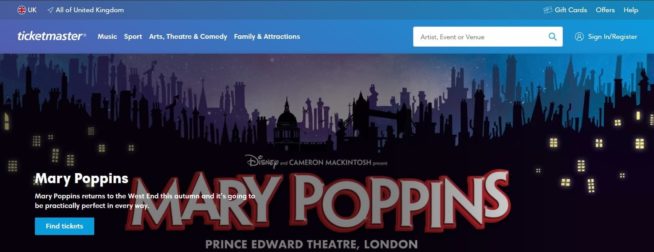
![5 BEST Ticketing & Ticketmaster Proxies 2021 [Complete List]](https://www.privateproxyguide.com/wp-content/uploads/2019/01/Best-Proxies-for-ticketmaster-ticketing-1-700x368.jpg)
![19 BEST Instagram Proxies 2021 [LTE 4G & Mobile Proxies]](https://www.privateproxyguide.com/wp-content/uploads/2019/01/Best-Instagram-Proxies-150x150.jpg "Best Instagram Proxies 4G/5G & Residential Proxy List [year]")

![List of VPN Port Numbers Used for VPN Protocols [Guide]](https://www.privateproxyguide.com/wp-content/uploads/2020/10/List-of-VPN-Port-Numbers-150x150.jpg "List of VPN Port Numbers Used for VPN Protocols")












Hey guys is Ghostproxies still around?